Prom night is more than just an event—it’s a chance to express individuality, confidence, and personal style. Mixing Fabrics in Yellow Prom Dresses has become a standout trend, elevating classic yellow gowns with depth, texture, and modern elegance. From soft pastels to rich golden tones, combining satin, lace, and chiffon creates multi-texture prom dresses that balance structure, softness, and shine beautifully.
At SunLuxe, we believe the perfect prom look comes from fabric harmony. This guide will help you understand each material, master fabric combinations, choose the right fit for your body type, and style your yellow prom dress with confidence and sophistication.
Why Mixing Fabrics Elevates Yellow Prom Dresses?
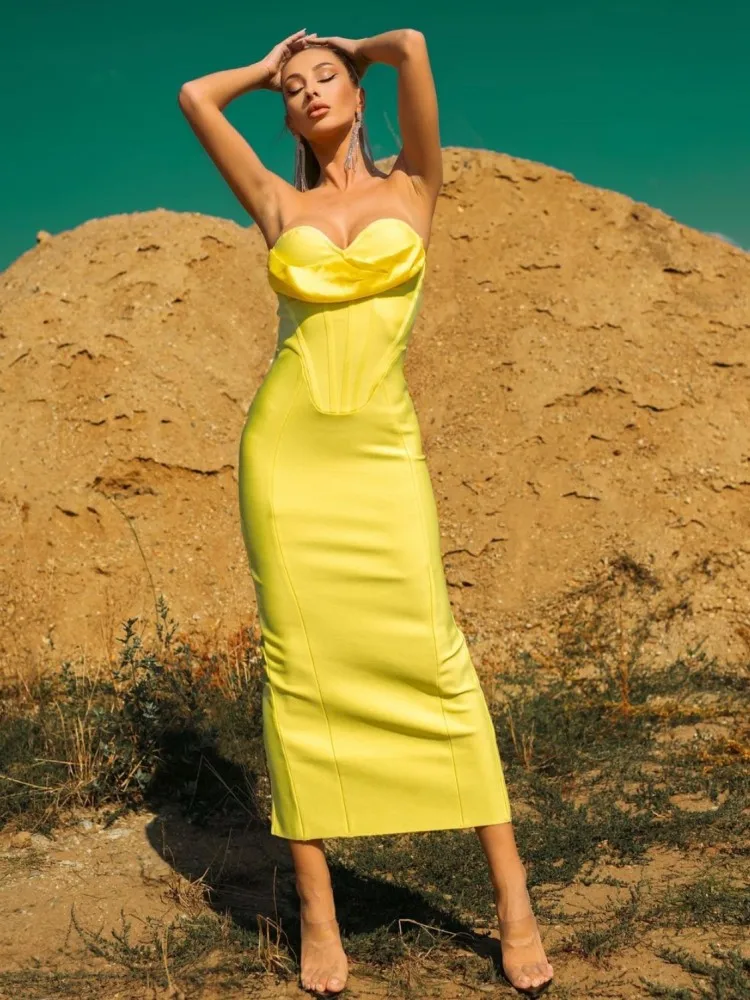
Understanding how different materials interact is key to creating a standout look that feels both modern and timeless.
Visual Depth & Texture
One of the most overlooked advantages of mixing fabrics in dresses is how it enhances visual storytelling. While a single-fabric gown can appear elegant, it often lacks dimension under varying lighting conditions—especially in photos. A multi-fabric prom dress, on the other hand, introduces contrast that naturally draws the eye and creates movement.
- Satin delivers a smooth, glossy surface that reflects light and defines structure
- Lace adds intricate detailing, breaking up solid areas with delicate patterns
- Chiffon softens the overall look, bringing fluidity and motion
When these elements are layered strategically, they form textured evening dresses that feel more dynamic and refined. This balance between shine, detail, and softness is what defines truly modern mixed fabric gowns—not just visually appealing, but visually engaging from every angle.
Balancing Elegance and Comfort
A well-designed prom dress should perform as well as it looks. Beyond aesthetics, fabric mixing plays a functional role in ensuring comfort throughout long hours of wear.
- Structured satin dresses provide support, helping the garment maintain its shape
- Breathable chiffon dresses allow airflow, reducing discomfort in warmer settings
- Delicate lace bodices offer flexibility while maintaining a feminine, elegant finish
This intentional combination results in comfortable formal dresses that don’t compromise on style. The goal is not just to look polished in still moments, but to feel confident while moving, նստing, and dancing—something single-fabric designs often struggle to achieve.
Modern Fashion Trends
The popularity of hybrid fabric prom styles reflects a broader evolution in fashion—one that prioritizes individuality over uniformity. Today’s designs are heavily influenced by red carpet inspired prom dresses, where texture contrast is used to elevate even the simplest silhouettes.
- Layered fabric evening gowns that create depth without excessive embellishment
- Contrast fabric dress design to highlight structure and movement simultaneously
- Minimalist silhouettes enhanced by subtle texture variation
Rather than relying on heavy decoration, modern gowns use fabric interplay as the main design feature—resulting in looks that feel both elevated and effortless.
Understanding the Three Key Fabrics
Each fabric brings a distinct role to the overall composition, and understanding their strengths allows for more intentional styling.
Satin: Structure & Shine
Satin prom dresses are often the foundation of a mixed-fabric design due to their ability to provide structure and visual impact. The fabric’s natural sheen enhances color depth, making yellow tones appear richer and more luminous.
- Smooth, silky texture
- Structured drape that holds shape
- Reflective surface for a polished finish
Best uses:
- Fitted bodices that define the waist
- Mermaid silhouettes that emphasize curves
- Base layers in curve-enhancing satin gowns
A yellow satin gown—especially in deeper shades like gold or mustard—instantly delivers a luxury prom dress look without needing excessive embellishment.
Lace: Detail & Romance
Lace prom dresses introduce intricacy and softness, making them ideal for balancing the boldness of satin. From a design perspective, lace acts as a transitional layer—bridging structured and flowy elements.
- Detailed, decorative patterns
- Semi-sheer texture that adds depth
- Soft, romantic aesthetic
Common uses:
- Lace bodice designs for added femininity
- Sleeves and overlays to break up solid fabrics
- Sheer lace details for subtle contrast
A yellow lace gown, particularly when layered over satin, creates a refined interplay between opacity and transparency—adding visual interest without overwhelming the design.
Chiffon: Lightness & Movement
Chiffon prom dresses are essential for introducing movement into the overall look. Their lightweight nature makes them ideal for creating flow, especially in longer silhouettes.
- Breathable and soft against the skin
- Slightly sheer for layered effects
- Fluid drape that enhances motion
Best uses:
- Skirts that require volume without weight
- Overlays that soften structured fabrics
- Flowy chiffon dresses for effortless elegance
A yellow chiffon gown often feels ethereal, particularly in A-line or empire waist designs, where movement becomes part of the visual appeal.
Best Ways to Combine Satin, Lace & Chiffon
The effectiveness of fabric mixing depends on placement and proportion. Strategic combinations ensure that each material enhances rather than competes.
Satin Bodice + Chiffon Skirt
This pairing remains one of the most reliable formulas:
- A structured satin top defines the upper body
- A flowing chiffon skirt adds softness and movement
The result is a fitted bodice flowy skirt silhouette that flatters a wide range of body types while maintaining visual balance.
Lace Bodice + Satin Base
A lace overlay dress built on a satin foundation combines texture with structure. The lace diffuses the shine of satin, creating a more nuanced and sophisticated finish.
Chiffon Overlay on Satin Dress
Layering lightweight chiffon over satin is a subtle way to tone down gloss while introducing dimension. This technique works particularly well for achieving a softer, more romantic aesthetic.
Lace + Chiffon Layered Gowns
For designs that lean toward elegance and femininity, combining lace with chiffon creates depth without heaviness. These combinations are frequently seen in layered fabric evening gowns and ball gowns, where movement and detail are equally important.
Mixing satin, lace, and chiffon is not just a design choice—it’s a strategic approach to achieving balance in both form and function. When executed thoughtfully, fabric combinations enhance texture, improve comfort, and elevate the overall visual impact of yellow prom dresses without relying on excessive embellishment.
Choosing the Right Fabric Mix for Your Body Type
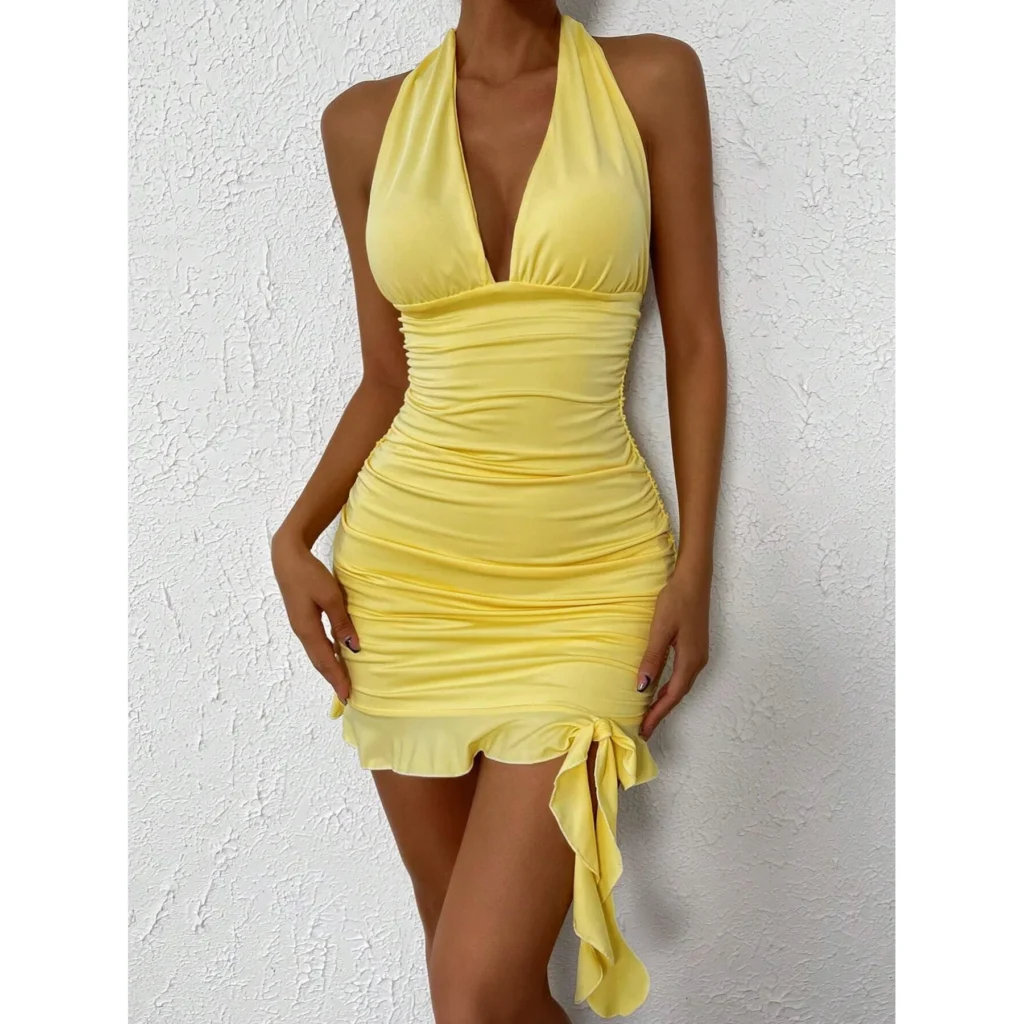
Selecting the right combination of fabrics is not just about aesthetics—it’s about proportion, balance, and how each material interacts with your natural shape.
Petite Figures
For petite frames, the priority is elongation and avoiding visual heaviness. Over-layering can easily overwhelm a smaller silhouette.
- Opt for lightweight chiffon layers that create vertical flow
- Keep lace detailing minimal and strategically placed (e.g., bodice or neckline)
- Avoid excessive volume or heavy satin layering that can shorten the frame
The goal is to maintain a streamlined look where fabrics enhance height rather than interrupt it.
Hourglass Shapes
Hourglass figures benefit from structure and definition. Fabric mixing should emphasize natural curves without adding unnecessary bulk.
- Choose satin and lace combinations to highlight the waistline
- Structured satin bodices paired with soft lace overlays create contrast while maintaining shape
- Fitted silhouettes like mermaid or sheath styles work best
This approach ensures that the fabric enhances proportions rather than concealing them.
Plus Size
For fuller figures, comfort and flow are key, but structure should not be overlooked. The right fabric mix can create a flattering, balanced silhouette.
- Go for A-line chiffon dresses with lace detailing to provide movement and coverage
- Use satin selectively in bodice areas for support
- Prioritize breathable materials to ensure all-night comfort
Well-balanced multi-fabric gowns can create a slimming effect without sacrificing ease of movement.
Tall Figures
Tall silhouettes offer more flexibility, allowing for bolder experimentation with fabric combinations.
- Embrace dramatic layered fabric gowns with multiple textures
- Mix contrasting materials like structured satin and airy chiffon for visual interest
- Consider larger lace patterns to match the scale of the frame
The key is to use fabric variation to break up length and add dimension.
Color Harmony: Making Yellow Work with Mixed Fabrics
Color plays a critical role in how fabric combinations are perceived, especially with a standout shade like yellow.
Shades of Yellow
Different tones of yellow interact with fabrics in distinct ways:
- Pastel yellow: softens lace and chiffon for a romantic feel
- Lemon yellow: enhances freshness and works well with lightweight textures
- Mustard tones: pair effectively with satin for a modern, grounded look
- Gold hues: amplify the shine of satin for a more luxurious finish
Choosing the right shade ensures that each fabric contributes to a cohesive overall look.
Texture & Light Reflection
Each fabric responds to light differently, which directly impacts the final appearance:
- Satin reflects light, drawing attention to structure and shape
- Lace diffuses light, adding depth without harsh contrast
- Chiffon softens light, creating a gentle, flowing effect
When balanced correctly, these elements create textured evening dresses that feel visually layered without appearing heavy.
Avoiding Overload
One of the most common pitfalls in mixing fabrics in dresses is overcomplication.
- Limit combinations to 2–3 fabrics
- Maintain a consistent color tone across materials
- Let one fabric dominate while others support
This ensures the design remains cohesive rather than visually overwhelming.
Styling Tips for Mixed Fabric Yellow Prom Dresses
Styling should enhance the dress—not compete with it. With multi-texture designs, restraint often creates a more refined result.
Accessories
- Keep jewelry minimal to avoid clashing with intricate textures
- Metallic tones, especially gold, naturally complement yellow hues
- Avoid overly detailed accessories when the dress already features lace or layering
Shoes & Bags
- Neutral heels (nude, metallic, or soft gold) maintain focus on the dress
- Choose simple silhouettes to avoid competing with fabric complexity
- Match finishes subtly rather than exactly
Hair & Makeup
- Soft glam looks pair well with lace and chiffon-heavy designs
- Sleek hairstyles and defined makeup complement satin-dominant gowns
- Balance is key—if the dress is intricate, keep beauty choices refined
Common Mistakes to Avoid
Even well-designed dresses can fall short if key principles are overlooked.
- Overmixing fabrics: Too many textures create visual confusion
- Ignoring fit and structure: Fabric cannot compensate for poor tailoring
- Choosing non-breathable materials: Leads to discomfort during long wear
- Over-accessorizing: Distracts from the dress’s natural detail
- Poor color coordination: Inconsistent yellow tones can disrupt harmony
Achieving the perfect balance in mixed fabric yellow prom dresses requires thoughtful coordination between silhouette, texture, and color. When fabrics are chosen with intention and styled with restraint, the result is a look that feels cohesive, flattering, and effortlessly sophisticated.
How to Choose High-Quality Mixed Fabric Dresses?
Choosing a well-made dress goes beyond appearance—it requires attention to fabric integrity, construction, and overall craftsmanship.
Fabric Quality Checklist
The foundation of any multi-fabric prom dress lies in the quality of its materials. Each fabric should not only look good but also perform well under movement and lighting.
- Smooth satin finish: High-quality satin should feel soft, not stiff or overly plastic-like, with a consistent sheen that reflects light evenly
- Strong lace stitching: Lace should be securely attached, with clean edges and no loose threads or uneven patterns
- Lightweight chiffon: Premium chiffon feels airy and breathable, not rough or overly thin to the point of appearing fragile
Paying attention to these details ensures the dress maintains both its visual appeal and durability throughout the event.
Fit & Construction
Even the best fabrics can fall short if the construction is poorly executed. In multi-fabric gowns, precision is especially important because different materials behave differently.
- Check seam alignment where fabrics meet—transitions should feel seamless, not bulky or uneven
- Ensure proper layering so the dress doesn’t feel heavy or restrictive
- Look for internal structure (lining, boning, or support) that enhances fit without compromising comfort
A well-constructed dress should move naturally with the body while maintaining its intended shape.
Shopping Tips
When shopping online, evaluating quality requires a more strategic approach.
- Choose trustworthy online prom dress stores with clear product descriptions and transparent policies
- Prioritize listings with detailed close-up images showing fabric texture and stitching
- Read verified reviews and focus on feedback related to fit, fabric quality, and real-life appearance
These steps reduce the risk of receiving a dress that looks different from expectations.
Trending Mixed Fabric Yellow Prom Dress Styles (2026)

Current trends highlight a shift toward texture-driven design, where fabric combinations define the overall aesthetic rather than heavy embellishments.
- A-line chiffon and satin dresses: A balanced silhouette combining structure and flow, suitable for a wide range of body types
- Mermaid satin lace gowns: Designed to emphasize curves, with lace adding detail to a structured satin base
- Ball gowns with layered chiffon: Voluminous yet lightweight, creating dramatic movement without excessive weight
- Minimalist mixed fabric dresses: Clean silhouettes enhanced by subtle texture contrasts instead of decorative elements
These styles reflect a preference for refined, wearable elegance with a modern edge.
FAQs about Mixing Fabrics In Yellow Prom Dresses
Can you mix satin, lace, and chiffon in one dress?
Yes. When combined thoughtfully, these fabrics complement each other—satin provides structure, lace adds detail, and chiffon introduces movement—resulting in a balanced and cohesive design.
Which fabric combination is most comfortable?
Chiffon and lace are naturally breathable and flexible, making them ideal for comfort. Satin, when used strategically (such as in the bodice), adds support without compromising wearability.
Are mixed fabric dresses trending?
Yes. Mixed fabric prom dresses are a dominant trend, reflecting a shift toward texture-focused design and more personalized styling in formalwear.
How do I keep the look cohesive?
Limit the number of fabrics to two or three, maintain consistent color tones, and ensure one fabric serves as the primary focus while others act as accents.
Conclusion
Mixing Fabrics in Yellow Prom Dresses is all about balance—combining satin, lace, and chiffon to create a look that feels as stunning as it appears. Whether you prefer a romantic lace overlay, a sleek satin base, or a flowing chiffon skirt, the right blend elevates your entire prom style. At SunLuxe, we believe your perfect yellow prom dress isn’t just an outfit—it’s a statement of confidence, individuality, and effortless elegance.